 Summer Trail 3 of 6 stamps
A page about the place
A photo and a short piece of local history, the kind of thing people walk past every day without knowing. Why the doorway is that shape. What the building used to be.
A Trail is a set of stops around a town or village. Each one unlocks when you reach it, with a story about the place and a question or a small game to earn the stamp.
Nothing to install and nothing to sign up for. A phone and a pair of shoes.
A QR code on a poster, or a link from the organiser, opens the Trail in the phone's browser. There's no app to download.
No account, no password, no email address. One phone per family or group is normal, and everything downloads at the start.
Every stop, locked, with a one-line teaser and how far away it is. Go in any order. Start with whichever is nearest.
The screen tells you when you're getting close. When you arrive, tap "I'm here" and the stop opens.
A short story about the place, then a question or a small game. Get it right and the stamp is yours.
A finish screen with your time and whatever the organiser has chosen for finishers: a certificate, a prize-draw entry or an offer from a stop.
Up to three parts, and the organiser picks which each stop has.
A photo and a short piece of local history, the kind of thing people walk past every day without knowing. Why the doorway is that shape. What the building used to be.
What year is on the plaque above the door? How many windows face the square? Ask at the counter which cake is made on the premises. This is what makes it a trail rather than a list.
An anagram, a simple code, an old photo to compare with the street today, or three stories about the place where only one is true.
Real screens from Captain Rook. There's nothing to install: the game opens from a link or a QR code.
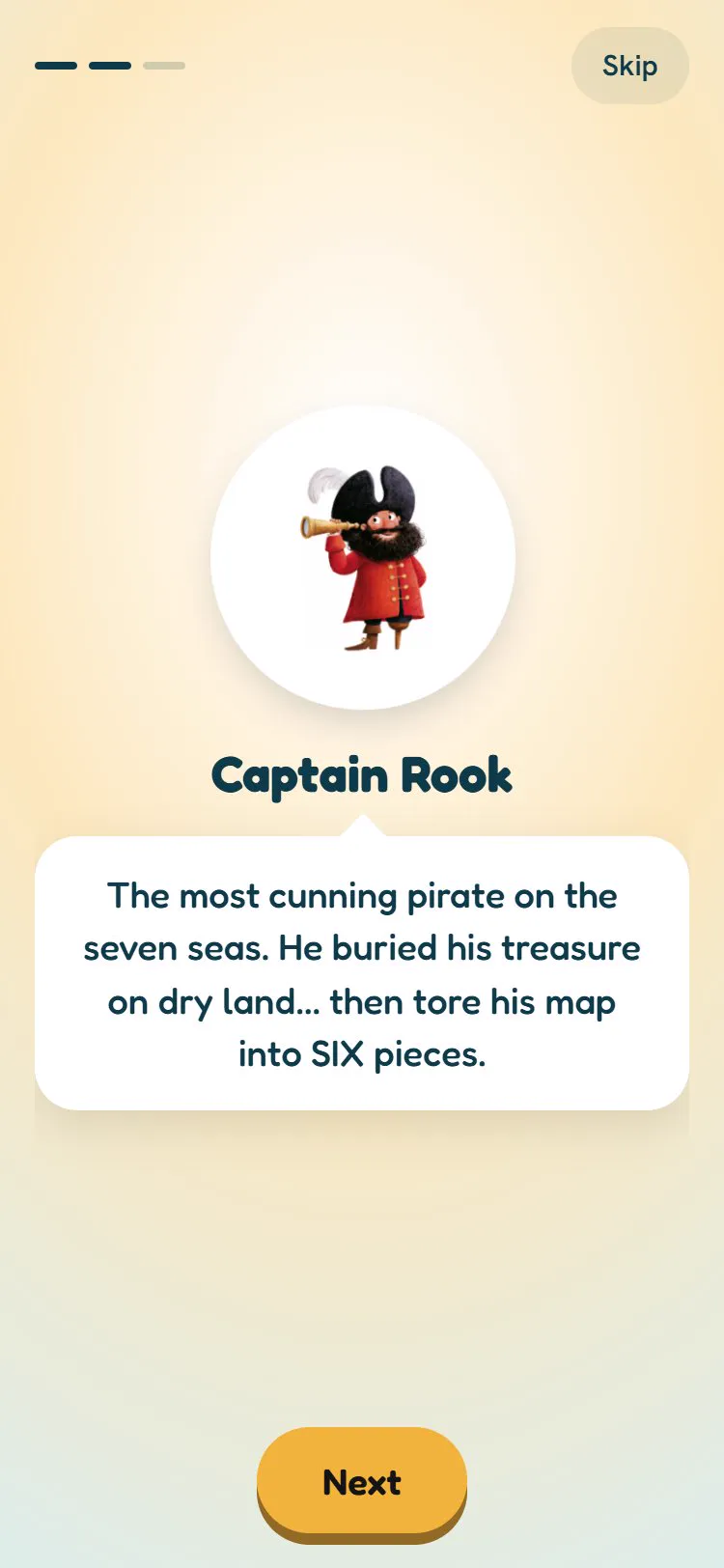
A short scene opens the game and every stop, so the walk between stops has a reason.
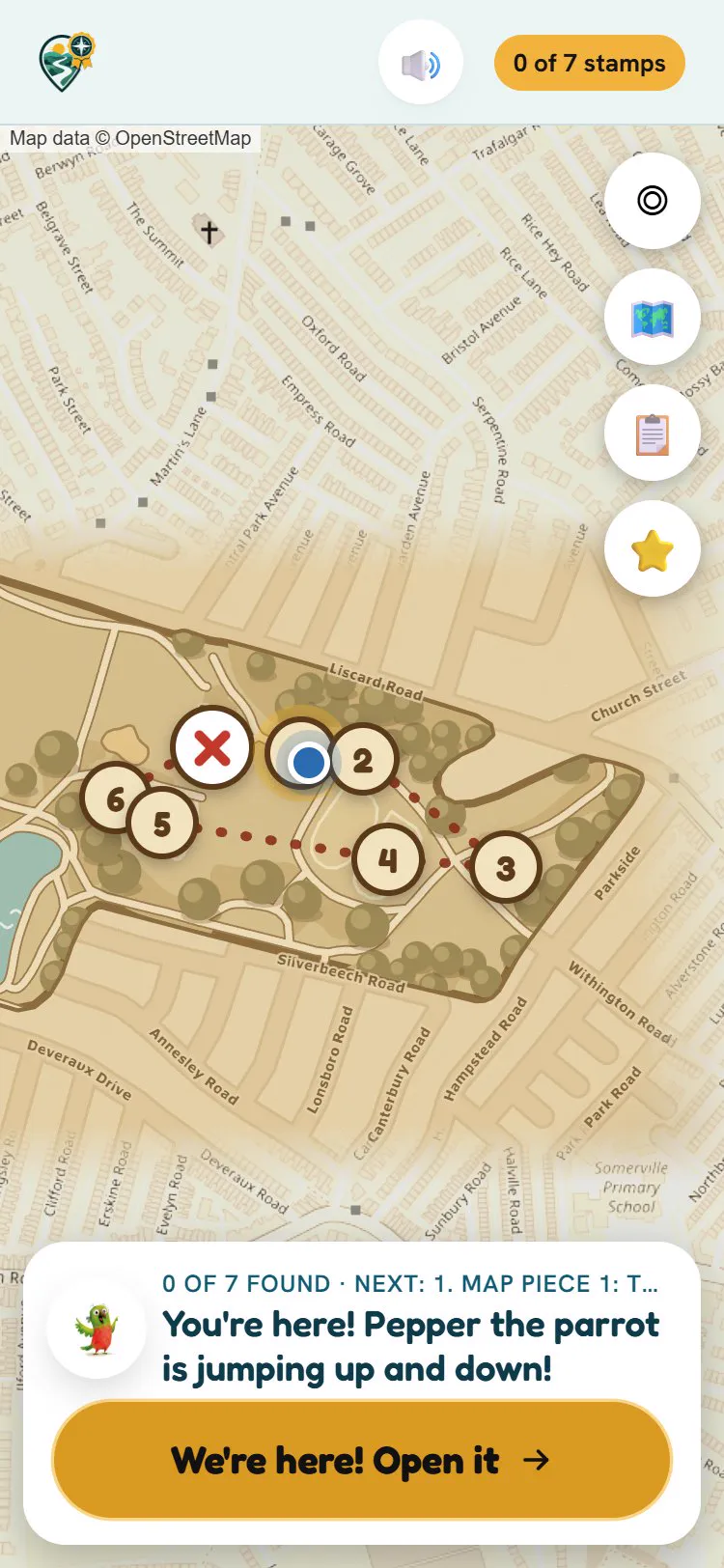
An illustrated map of the park. Footsteps and the compass keep your dot moving between GPS readings.
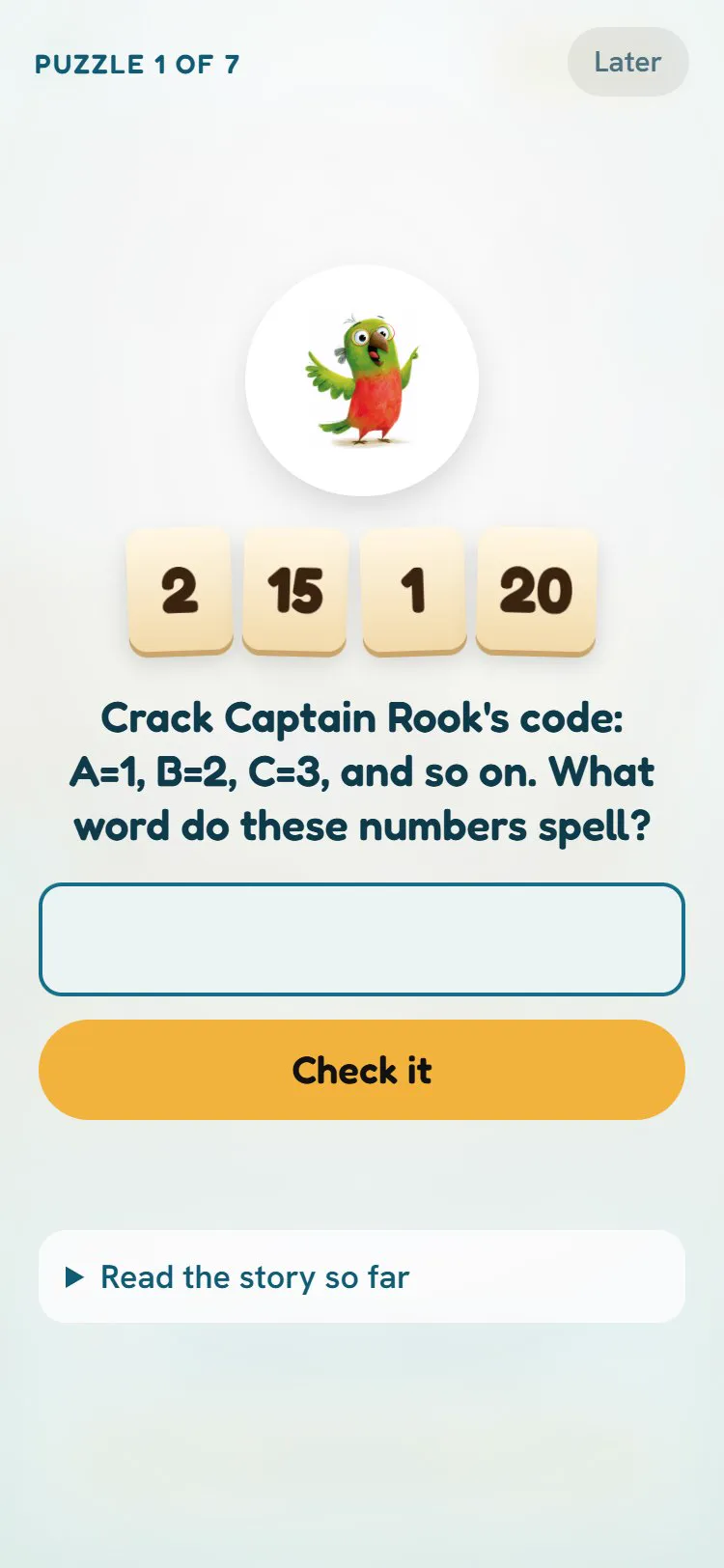
Codes, jumbled words, riddles and compass questions, written for the age the game is for.
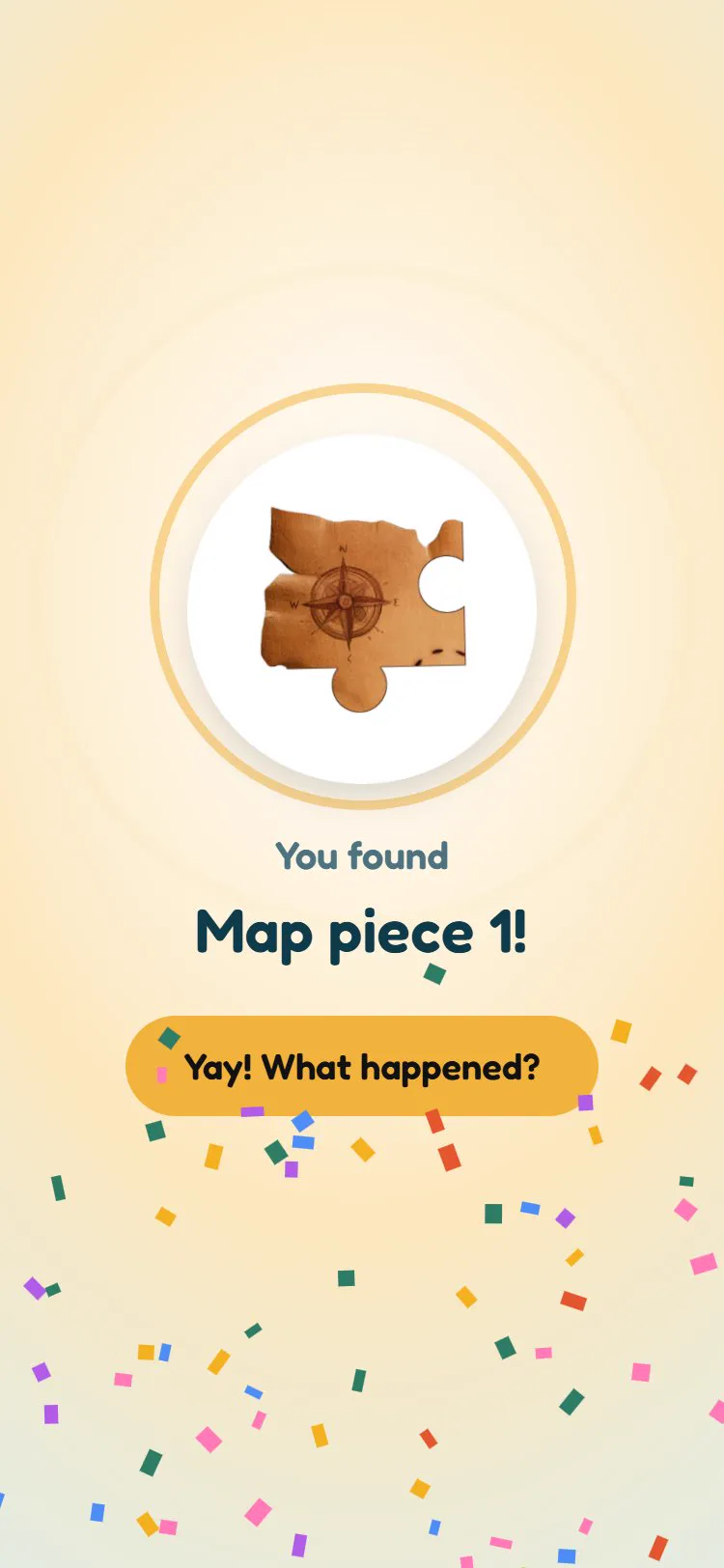
Map pieces, dragon eggs, a ghost's lost treasures. Each stop gives one, and the full set finishes the story.
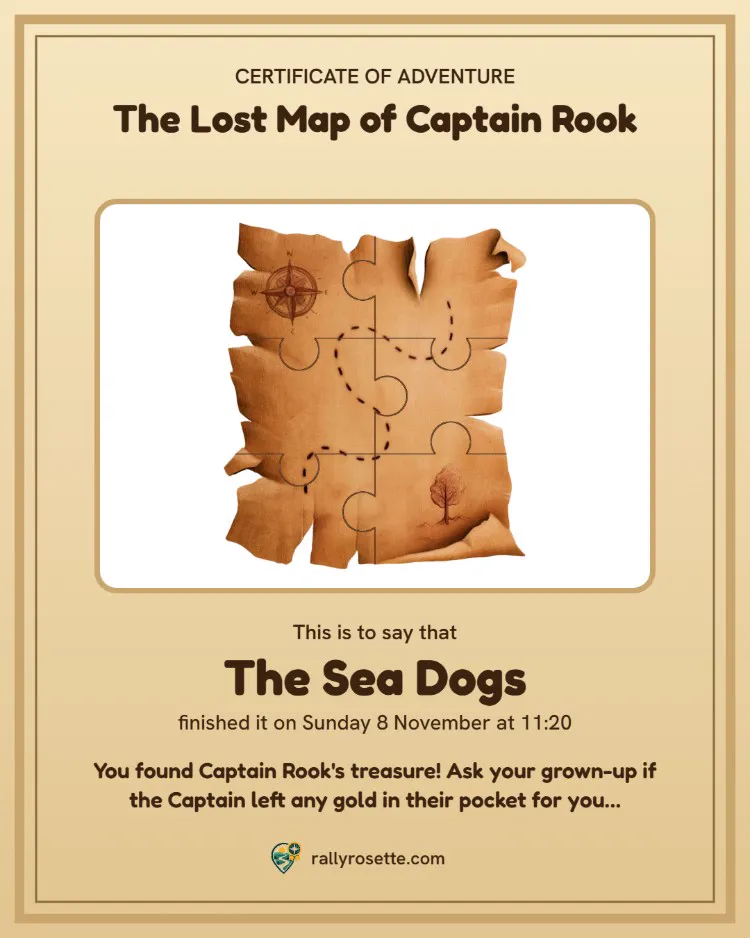
The team's name, the day, and the treasure map they made, or their own photo. Saved on the phone to send to family.
Each game is a story told across a real place. A character meets you at every stop, a puzzle unlocks what's hidden there, and the map fills in as you go.
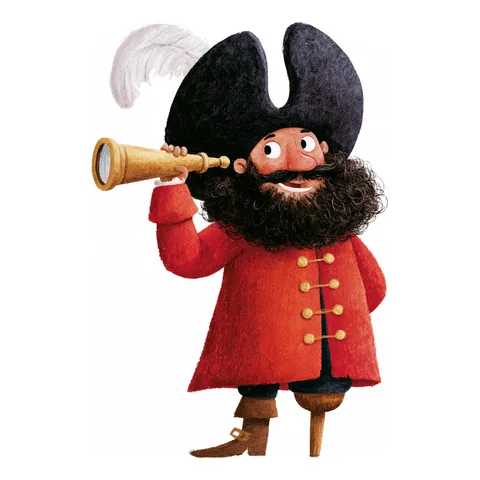 Ages 7 to 10 · Pirate codes
 Ages 5 to 8 · Hatch the eggs
 Ages 7 to 10 · Victorian riddles
 Ages 7 to 10 · Secret agents
 Ages 5 to 8 · Whodunnit
 Ages 5 to 8 · Bring the dog
All six run in seven Wirral parks, each told for its own park. We write new ones for a park, a town or a hotel.
Choose a parkPhones are good at knowing roughly where they are. They are not perfect, so every stop has a second way in.
Tap "I'm here" near the stop and it unlocks. When it works, it feels like the town noticed you arrive.
Thick stone walls and narrow streets confuse GPS. A word on a plaque, a poster or at the counter opens the stop anyway.
Unlocking from across the road is a smaller problem than a family standing at the door unable to get in.
Your phone sends its position once, when you tap. We work out how far you are from the stop, keep only that distance, and never keep a record of where anyone has been.
A Trail runs for weeks, not an afternoon, so it needs more switches than a start and an end.
A start and an end, agreed with us, and we'll change them if you ask. Before it opens, the link shows a teaser with the start date, which is useful for building word of mouth.
Nobody gets sent to a stop at seven in the morning. Outside the hours, the map says when stops open again.
A shop shut for the day or a building with a private event. Mark it closed with a short message, and players see it on the map before they walk there. It stays closed until you reopen it. The Trail still counts as finished without it.
Bad weather or something happening in town. Pause the whole Trail at once and switch it back on when you're ready.
If it's going well, ask us and we'll run it for another fortnight. A Trail that runs for weeks also means one wet weekend doesn't sink it.
A thank-you page, and the stories stay readable. The Trail doesn't simply vanish.
The same Trail underneath, with different stops, tone and rules.
Cafés, shops, landmarks, churches and museums. Local history, nature and local heroes, written for children and grandparents alike. No age gate, nothing a child needs to type in about themselves, and nothing other players can post.
This is where we're starting, because it suits the most places and the most people.
Pubs and bars, with banter and pub history in place of the nature notes. Players confirm they're 18 or over before they start, and the promotion says so too.
It never rewards drinking. No "how many pints", no racing, and no stop that needs you to buy a drink. Soft drinks count, and the venue's staff can still refuse service.
A heritage trail that's more fun than a leaflet, and tells you how many people finished it.
Business improvement districts and traders' associations who want people walking past every shop, not just the first two.
A fundraiser for a summer holiday or a festival weekend, that families can do in their own time.
A crawl around its own houses, run on rules a licensee is comfortable with.
Each Trail is quoted on its own, depending on the number of stops, how long it runs and how much printed material you want. We don't sell tickets to the public. The organiser pays for a Trail, and it's delivered when it goes live.
Nothing. No account, no email, no password. Progress is saved on the phone. If you run a prize draw, an email address is asked for only for that, with a clear yes, and the list is deleted after the draw.
Each stop says whether it's step-free, and "Where am I?" shows how far away every stop is, so nobody sets off on a route they can't finish. Where a stop isn't step-free, we'll help you find a nearby alternative.
The stops, and an OK from each of them. Something interesting about each place, the dates and hours, and a named person to answer the phone while it's live. We write the questions and games, build it, and walk every route with a phone before it opens.
Mark it closed from your controls. Players see the message on the map, and the Trail counts as finished without it. Finishing never depends on a door nobody can get through.
Yes. It's our newest range, built on the same system as the Clash. We're looking for the first towns and villages to run one, and the first ones get a lot of our attention.
Tell us the place, roughly when, and what kind of trail you have in mind. We'll come back with what it would involve and what it would cost.
or write to hello@rallyrosette.com